

Chase Sapphire Reserve $300 Dining Credit Guide (Sep 2026)
NCnextcard team

Bilt Palladium vs Chase Sapphire Reserve breakdown. Use calculator to compare rewards earnings. Compare which card is better in June 2026
Advertiser Disclosure: nextcard may receive compensation from card issuers. Opinions expressed here are the author's alone, not those of any bank, credit card issuer, airlines or hotel chain. For the most up-to-date terms & conditions, refer to the official credit card application on the issuer's website.
These cards serve different, yet similar purposes. The Bilt Palladium Card ($495/year) earns 2x points on all purchases plus unlocks the ability to earn up to 1x points on rent or mortgage payments (using Bilt Cash). It's one of the best generalist spending cards out there, especially with its high earn rate across your spend.
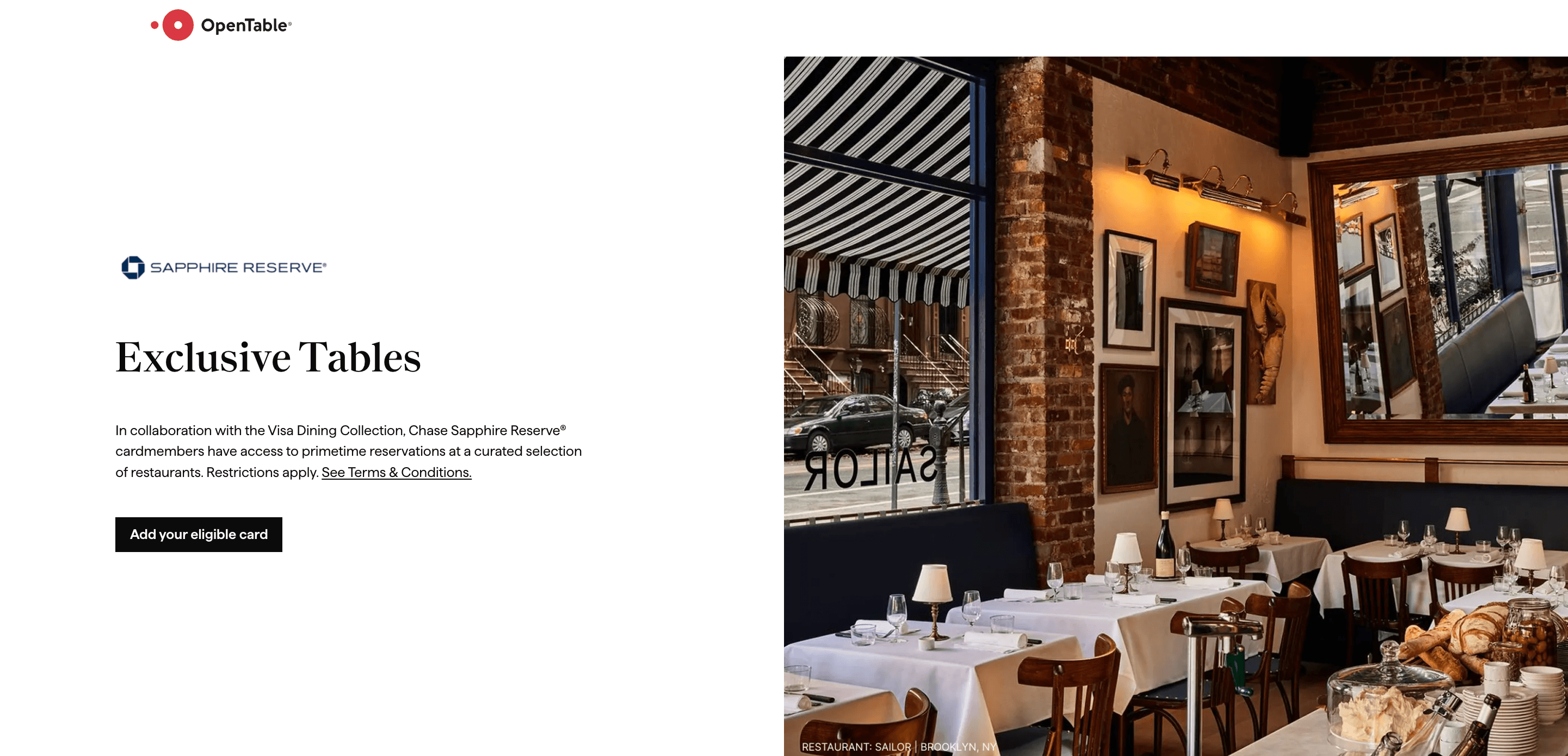
The Reserve counters with 8x points on Chase Travel purchases, 4x on flights and hotels booked direct, 3x on dining worldwide, and over $2,700 in potential annual value, including a $300 travel credit and up to $300 in dining credits at Sapphire Reserve Exclusive Tables restaurants. It's a strong card when it comes to maximizing categorical rewards plus providing ancillary benefits like lounges and travel insurance (terms apply).
Although both cards provide lounge access, Reserve cardholders also get exclusive Chase Sapphire Lounges at several airports including JFK, LaGuardia, and Las Vegas whereas the Palladium is limited to just Priority Pass lounge access. That said, both ecosystems can transfer points to Hyatt 1:1 and Bilt can transfer to Alaska Airlines, so the gap on redemptions is narrower than the fee difference suggests.
Notably, the Reserve has a much larger welcome bonus, so it makes it a little bit easier to justify the larger annual fee.
In a nutshell, the Palladium makes a lot of sense if you want to prioritize a generalist spending card, but the Reserve wins if you spend heavily on travel & dining and will realistically use its credits each year.
The Reserve wins without a doubt.
It earns 3x points on dining worldwide and 8x on Chase Travel bookings (4x on direct flights and hotels booked direct), and Chase's Points Boost feature lets you redeem select points at up to 2 cents each on hotels and flights through Chase Travel.
Comparably speaking, the Palladium is more of a "catch all" card that's best used as a generalist use card rather than a categorical card.
No. When using Bilt Cash, you can unlock point earnings on rent and mortgage payments with no transaction fee, up to 1X. This is a particularly unique value proposition that allows you to unlock additional points from your spending.
Both share key partners including Hyatt, United, and Virgin Atlantic at 1:1. Chase Ultimate Rewards adds 14+ partners including Southwest and Air France/KLM.
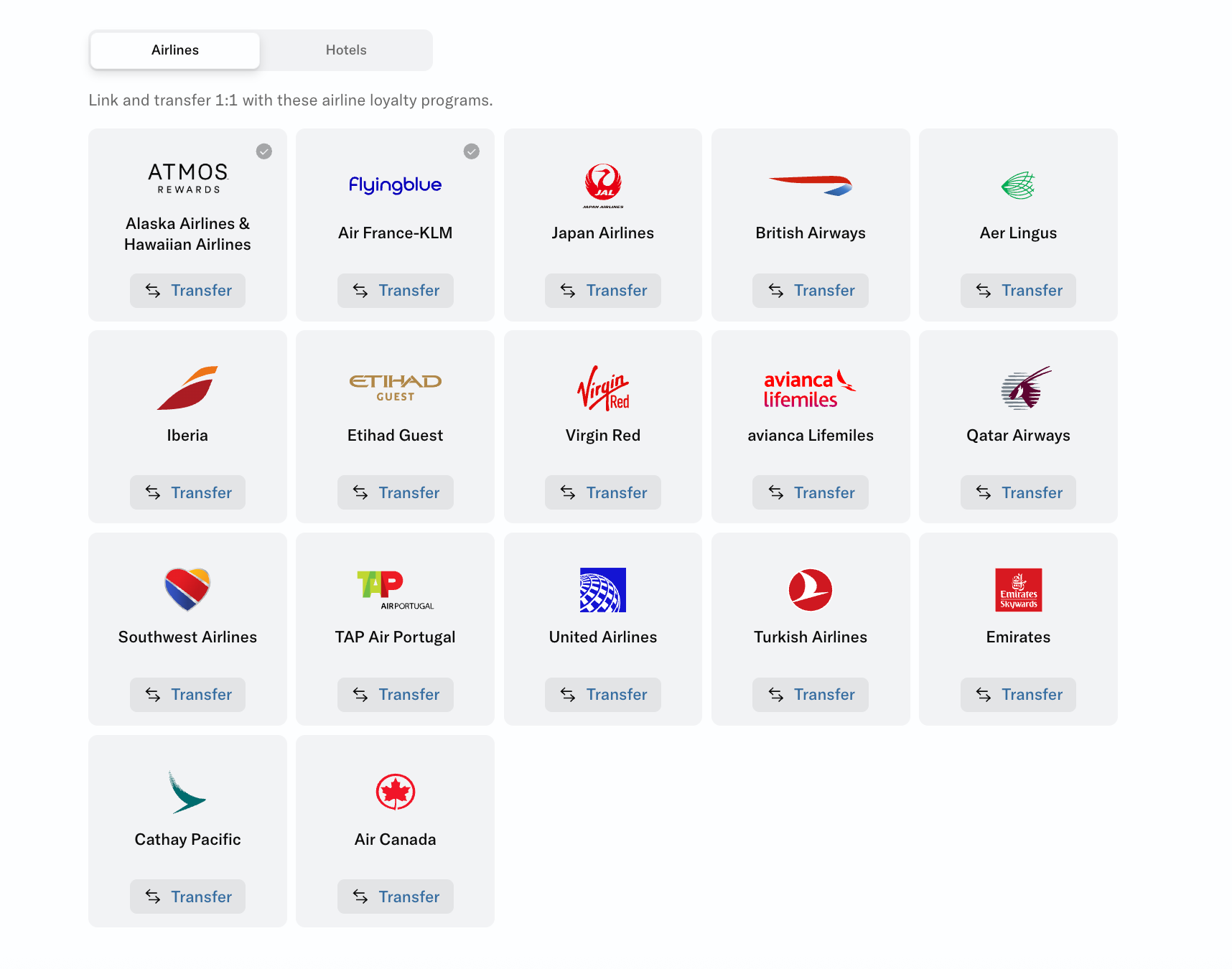
However, Bilt transfers to 18+ partners and adds monthly Rent Day bonuses, which can stretch point value considerably for those who plan their transfers around it. Notably, Bilt also has Alaska Airlines as a transfer partner, which is incredibly unique.
The Chase Sapphire Reserve®. Beyond Priority Pass access at 1,300+ lounges worldwide, Reserve cardholders get exclusive Chase Sapphire Lounges at airports like JFK, LaGuardia, and Las Vegas, each with up to two complimentary guests. The Bilt Palladium offers standard Priority Pass membership only.
If lounges matter to you, the Reserve is the clear winner.
Bilt Palladium vs Chase Sapphire Reserve breakdown. Use calculator to compare rewards earnings. Compare which card is better in June 2026
In a nutshell, the Palladium makes a lot of sense if you want to prioritize a generalist spending card, but the Reserve wins if you spend heavily on travel & dining and will realistically use its credits each year.
The Reserve wins without a doubt.
It earns 3x points on dining worldwide and 8x on Chase Travel bookings (4x on direct flights and hotels booked direct), and Chase's Points Boost feature lets you redeem select points at up to 2 cents each on hotels and flights through Chase Travel.
Comparably speaking, the Palladium is more of a "catch all" card that's best used as a generalist use card rather than a categorical card.
No. When using Bilt Cash, you can unlock point earnings on rent and mortgage payments with no transaction fee, up to 1X. This is a particularly unique value proposition that allows you to unlock additional points from your spending.
Both share key partners including Hyatt, United, and Virgin Atlantic at 1:1. Chase Ultimate Rewards adds 14+ partners including Southwest and Air France/KLM.
However, Bilt transfers to 18+ partners and adds monthly Rent Day bonuses, which can stretch point value considerably for those who plan their transfers around it. Notably, Bilt also has Alaska Airlines as a transfer partner, which is incredibly unique.
The Chase Sapphire Reserve®. Beyond Priority Pass access at 1,300+ lounges worldwide, Reserve cardholders get exclusive Chase Sapphire Lounges at airports like JFK, LaGuardia, and Las Vegas, each with up to two complimentary guests. The Bilt Palladium offers standard Priority Pass membership only.
If lounges matter to you, the Reserve is the clear winner.
Compare two credit cards side by side to see which one gives you more value.
Interactive tool
Open tool